Big News: Next Generation GST Announced
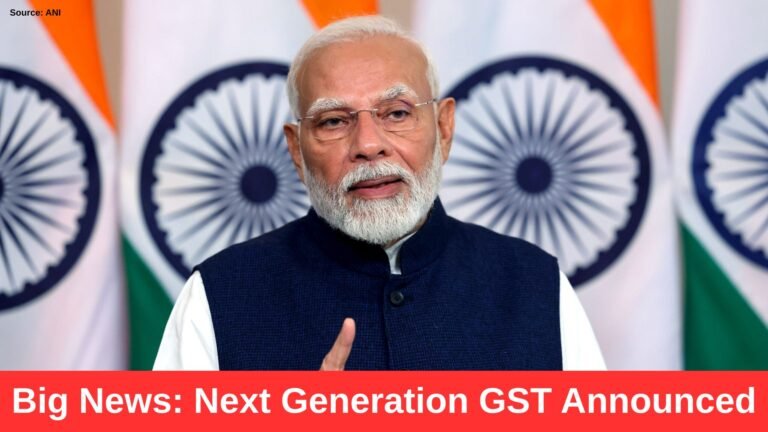
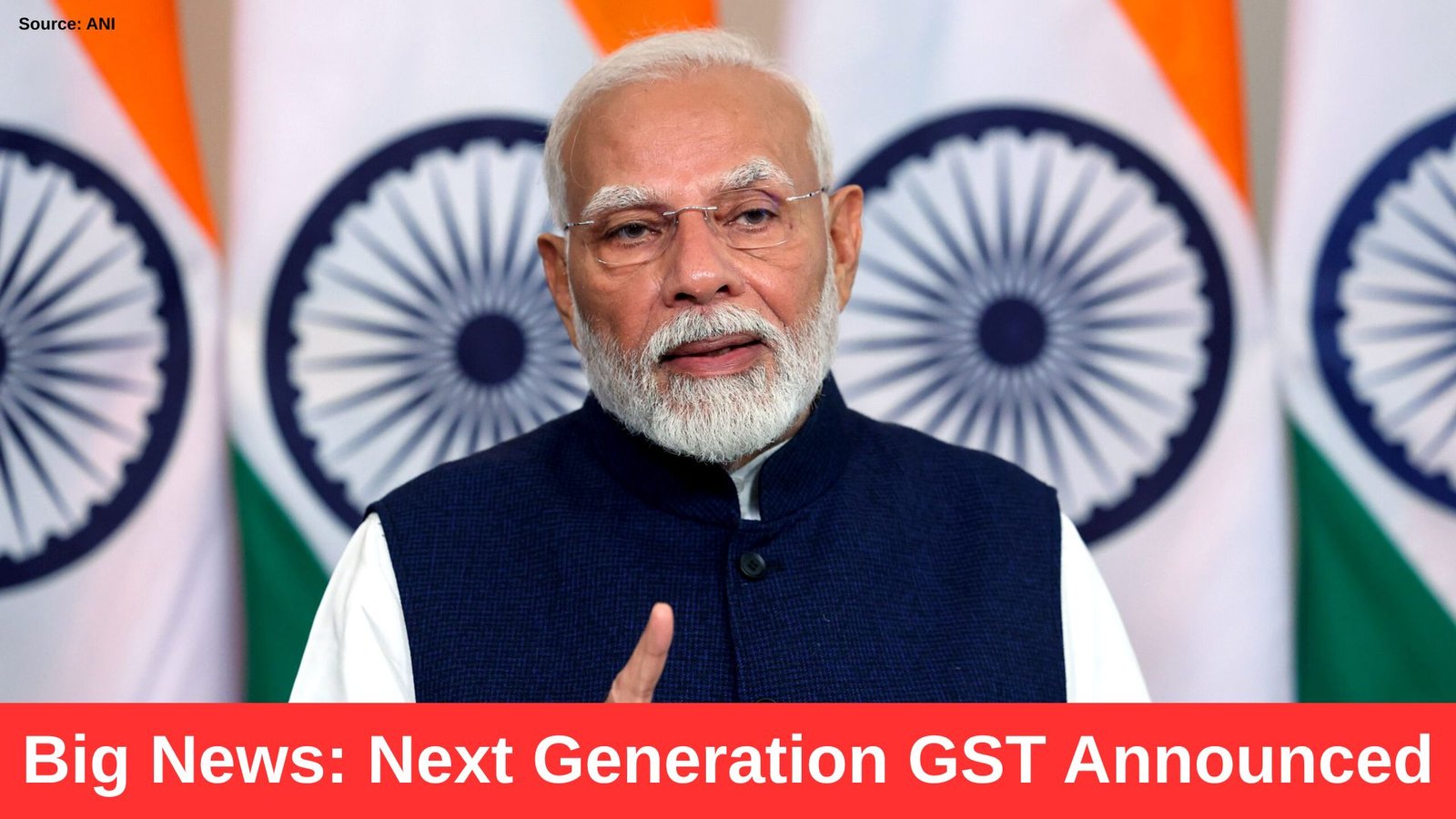
Mumbai, 21 September 2025 — Prime Minister Shri Narendra Modi today announced sweeping reforms to India’s Goods and Services Tax (GST), describing the initiative as Next Generation GST. The new framework, set to take effect from 22 September 2025, is being presented as a “GST Bachat Utsav” or festival of savings for citizens.
According to the official press release from the Government of India, the reforms are aimed at simplifying the tax system, easing compliance, and providing relief to the middle class, poor, and small businesses.
Key Highlights of the Reforms
- The GST structure has been simplified to two slabs only: 5% and 18%
- Nearly 99% of items previously under the 12% bracket will now fall under the 5% rate
- A wide range of everyday essentials including food items, medicines, soaps, toothbrushes, toothpaste, as well as health and life insurance will now be either tax free or charged at just 5%
- When combined with recent income tax reliefs (annual incomes up to ₹12 lakh are tax free), the reforms are expected to generate citizen savings of over ₹2.5 lakh crore
Statement by the Prime Minister, Shri Narendra Modi
In his address, Shri Narendra Modi underlined that the reforms are part of a continuing effort to simplify taxation in India. He recalled how, before the introduction of GST in 2017, people faced multiple overlapping levies such as Octroi, Excise, VAT and Entry Tax which increased costs and slowed trade.
The Prime Minister called the reform a “Bachat Utsav”, emphasising that reduced taxes on essentials would directly benefit households. He also appealed to citizens to support Atmanirbhar Bharat by choosing Indian made products, highlighting the role of MSMEs and local industries in driving growth.
Significance for Citizens and Businesses
The government has positioned the reforms as a dual benefit: relief for families through lower prices on essentials, and greater simplicity for businesses through reduced tax slabs. Small and medium enterprises in particular are expected to see smoother operations and fewer compliance hurdles.
With the festive season beginning, the government has framed these reforms as both economic relief and a step towards strengthening self reliance.